Understanding Modern Landscape Design in Urban Spaces
Landscape design is the process of shaping outdoor environments so they feel functional, visually balanced, and connected to the way people live. In cities like New York, where outdoor space is limited and highly valuable, landscape design plays a major role in transforming rooftops, terraces, townhouses, patios, and gardens into meaningful living spaces. Landscape design is more than planting trees or choosing outdoor furniture.
A well-designed landscape creates flow between architecture and nature. It combines hardscape features such as patios, decking, pathways, lighting, and walls with softscape elements like trees, shrubs, grasses, and seasonal planting. When these elements are planned together thoughtfully, the result is an outdoor environment that feels intentional, comfortable, and timeless.
At Garden Design NYC, landscape design is approached as both an art and a practical discipline. Every project is shaped around how the space will be used, how it responds to the surrounding environment, and how it evolves beautifully over time.
The Purpose of Landscape Design
Landscape design is about creating outdoor spaces that improve daily life while enhancing the character and value of a property.
In urban environments, professionally designed landscapes often serve multiple functions at once. A rooftop terrace may act as a dining space, entertainment area, private retreat, and garden simultaneously. A townhouse garden may need to balance privacy, drainage, lighting, and seasonal planting within a compact footprint.
The most successful landscape designs feel natural and effortless while carefully solving practical challenges behind the scenes.
Landscape Design Can Help Create:
- Outdoor living and entertaining spaces
- Private urban retreats
- Rooftop gardens and terraces
- Functional townhouse gardens
- Wellness-focused outdoor environments
- Family-friendly gathering areas
- Sustainable and low-maintenance landscapes
Different Types of Landscape Design
Landscape design can take many forms depending on the property type, architectural style, and lifestyle goals of the homeowner.
Residential Landscape Design
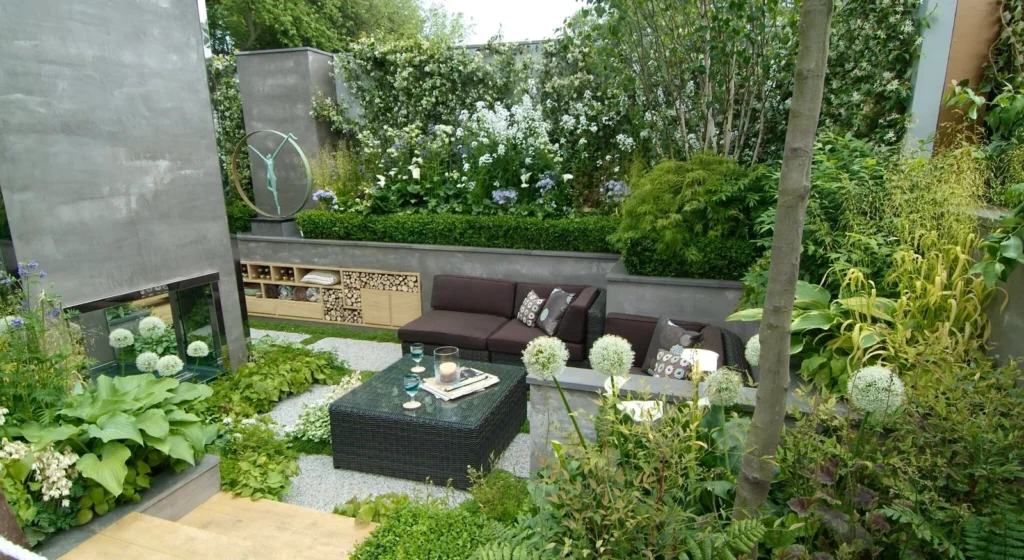
Residential landscape design focuses on creating comfortable and visually cohesive outdoor spaces for private homes. In NYC, this may include rooftop gardens, townhouse courtyards, patios, terraces, brownstone gardens, or backyard landscapes.
These spaces are often designed to support relaxation, dining, entertaining, and year-round outdoor living.
Rooftop and Terrace Landscape Design
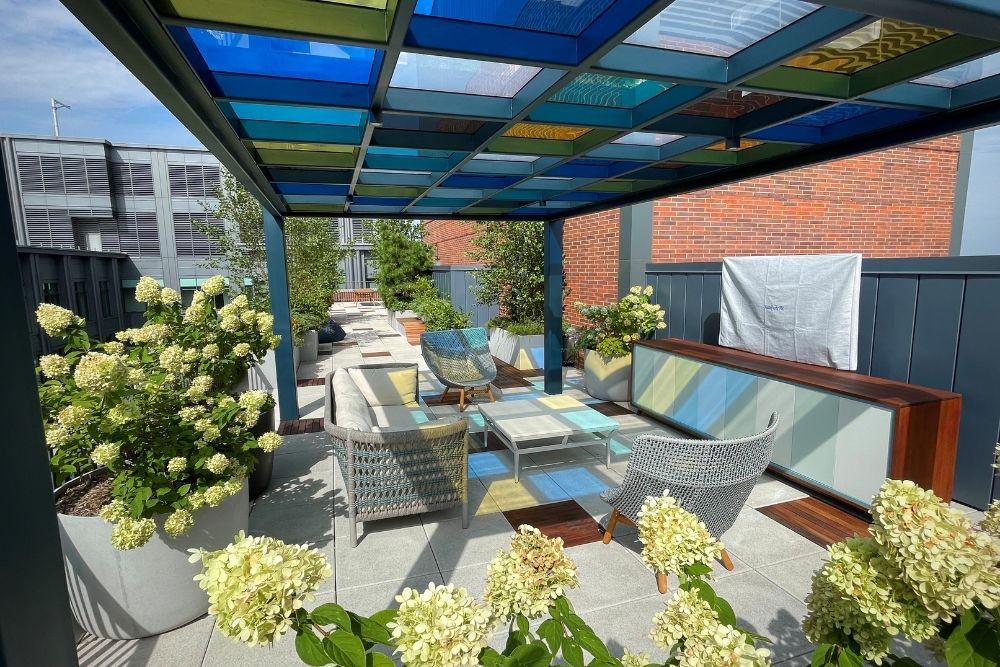
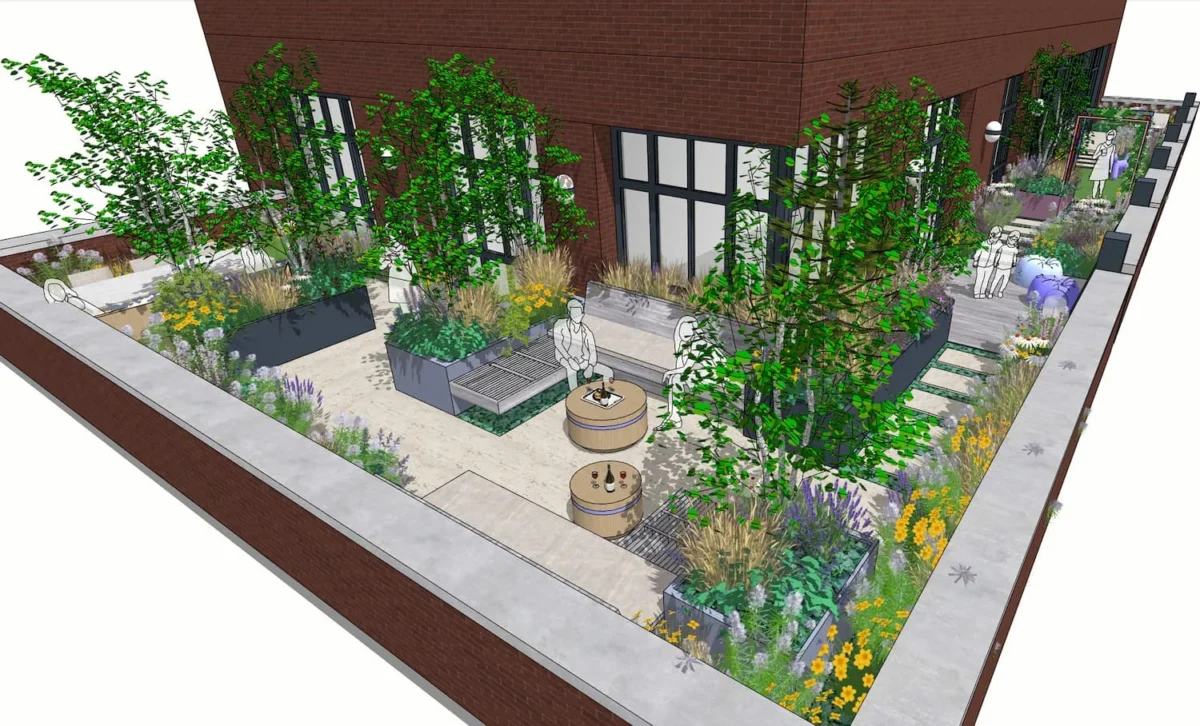
Rooftop landscapes require specialized planning due to structural load limitations, wind exposure, drainage requirements, and environmental conditions.
Professional rooftop design balances greenery, comfort, and engineering considerations while maximizing city views and privacy.
Common rooftop features include:
- Pergolas
- Outdoor kitchens
- Lounge seating
- Privacy screening
- Architectural planting
- Fire features
- Integrated lighting
Commercial Landscape Design
Commercial landscapes are designed to improve the experience of office buildings, hospitality spaces, residential developments, and retail environments.
Strong commercial landscape design helps create welcoming spaces while supporting branding, usability, and long-term property value.
Sustainable Landscape Design
Sustainable landscape design focuses on environmentally responsible practices that improve efficiency while reducing long-term maintenance demands.
This approach may include:
- Native planting
- Pollinator-friendly gardens
- Efficient irrigation systems
- Rainwater management
- Permeable paving
- Low-maintenance planting palettes
Sustainable landscapes are especially valuable in urban environments where stormwater management and heat reduction are important concerns.
Key Principles of Landscape Design
Strong landscape design is guided by a series of design principles that help outdoor spaces feel balanced, functional, and visually cohesive.
Proportion and Scale
Every element within the landscape should feel appropriately scaled to the surrounding architecture and available space.
In smaller NYC gardens and rooftops, thoughtful proportions help spaces feel larger, more open, and easier to navigate.
Flow and Transition
Outdoor spaces should guide movement naturally from one area to another.
Pathways, planting, decking, and seating arrangements should create a smooth visual and physical transition throughout the landscape.
Unity and Cohesion
Successful landscapes feel connected rather than fragmented.
Materials, planting palettes, lighting, and architectural features should work together to create a unified overall design language.
Rhythm and Repetition
Repeating certain forms, textures, or plant varieties creates visual rhythm and structure within the landscape.
This repetition helps outdoor spaces feel organized and calming rather than cluttered.
Balance
Landscape design balances visual weight throughout the space.
A large tree, pergola, or architectural feature may be balanced with layered planting, lighting, or smaller design elements elsewhere in the garden.
Focal Points
Every landscape benefits from a focal feature that draws attention and creates identity within the space.
Examples include:
- Ecologically appropriate plantings
- Water features
- Outdoor television
- Pergolas
- Statement planters
- Outdoor fireplaces
- Architectural seating
A strong focal point helps anchor the overall design.
Benefits of Professional Landscape Design
Professionally designed outdoor spaces provide both immediate enjoyment and long-term value.
Increased Property Value
Well-designed landscapes can significantly enhance the market appeal and value of residential properties in NYC.
Outdoor living space is increasingly viewed as a premium lifestyle feature.
Better Outdoor Living Experience
Landscape design transforms underutilized spaces into comfortable environments for entertaining, relaxing, dining, and socializing.
Even compact urban spaces can become highly functional with thoughtful planning.
Improved Privacy and Comfort
Layered planting, pergolas, fencing, and screening create outdoor spaces that feel more secluded and peaceful despite dense urban surroundings.
Environmental Benefits
Landscape design also supports healthier urban environments through:
- Improved biodiversity
- Stormwater absorption
- Heat reduction
- Air quality improvement
- Pollinator support
How to Choose the Right Landscape Designer in NYC
Hiring the right landscape designer is one of the most important decisions in any outdoor project.
A professional designer should understand not only aesthetics, but also construction coordination, structural limitations, planting design, drainage, and how outdoor spaces are actually used in urban environments.
What to Look For in a Landscape Designer:
- Experience with NYC properties
- Strong architectural understanding
- Knowledge of rooftop and urban conditions
- Clear design process
- Construction coordination experience
- Long-term maintenance considerations
- Portfolio of completed projects
The best landscape designers create spaces that feel both visually refined and highly livable.
Creating Outdoor Spaces That Feel Timeless
Landscape design is ultimately about creating outdoor environments that improve quality of life.
Whether designing a rooftop terrace, townhouse garden, backyard, or courtyard, thoughtful landscape design helps transform outdoor space into an extension of the home itself. The most successful landscapes balance beauty, comfort, functionality, and sustainability while responding naturally to the architecture and surrounding environment.
At Garden Design NYC, every project is approached with a design-first mindset focused on creating outdoor spaces that feel elegant, intentional, and deeply connected to the way New Yorkers live.
Looking for a Landscape Designer in NYC?
Contact Garden Design NYC to discuss your outdoor project and discover how professional landscape design can transform your rooftop, terrace, backyard, or townhouse garden into a refined urban retreat.